



Products
Quick Links


Copyright © 2025 Jiangsu Koofilm Technology Co.,Ltd. All rights reserved. Sitemap Privacy Policy
Views: 0 Author: Site Editor Publish Time: 2026-06-04 Origin: Site
Owning a luxury sports car demands a delicate balance between aggressive styling and meticulous preservation. Every highway drive exposes pristine factory paint to relentless, high-speed debris. Traditional transparent films offer excellent protection, but they do nothing for visual customization. Conversely, cosmetic vinyl wraps deliver stunning looks, yet they fail to absorb actual kinetic impacts from gravel. This leaves high-end vehicle owners frustrated, forcing a compromise between aesthetics and true defense.
We introduce a modern hybrid solution bridging this exact gap. Specialized protective films now deliver genuine composite aesthetics alongside rigorous impact defense. This guide evaluates how these advanced materials protect your vehicle at track speeds. You will learn the structural differences, installation realities, and how this investment preserves long-term vehicle equity. Armed with this data, you can make a highly informed decision for your garage.
True Impact Protection: Unlike standard car wrap film (2-3 mils thick), carbon PPF utilizes an 8-10 mil aliphatic polyurethane base to actively defend against rock chips and road debris.
Aesthetic Authenticity: Modern films replicate the 3D optical depth of wet or dry carbon fiber while featuring self-healing topcoats.
Asset Preservation: Allows for aggressive styling customization on hoods, roofs, and splitters while preserving the factory OEM paint—a critical factor for luxury vehicle resale value.
Installation Sensitivity: Requires highly specialized technicians; improper stretching distorts the carbon weave pattern and compromises the adhesive.
Automotive enthusiasts often misunderstand the structural foundation of modern protection films. We must define the underlying material chemistry to appreciate its dual functionality. When assessing the structure of premium carbon fiber PPF, you will find a distinct elastomeric core. Manufacturers build this product on a robust Thermoplastic Polyurethane (TPU) chassis. It fundamentally differs from the Polyvinyl Chloride (PVC) used in standard cosmetic wraps. TPU stretches naturally. It absorbs severe impacts without tearing. PVC remains brittle and chips easily under pressure.
Feature | TPU (Protective Chassis) | PVC (Standard Vinyl) |
|---|---|---|
Material Nature | Flexible elastomeric polymer | Rigid plasticized base |
Thickness | 8 to 10 mils | 2 to 3 mils |
Impact Resistance | High (absorbs kinetic energy) | Low (tears upon impact) |
Longevity | 7 to 10 years | 3 to 5 years |
Beyond blunt impact defense, TPU offers remarkable self-healing capabilities. High-performance driving inevitably causes micro-scratches and wash swirls. The elastomeric topcoat reacts instantly to heat. Leave the car in direct sunlight, or apply a heat gun. The polymer chains shift and close. Scratches disappear within minutes. Traditional vinyl wraps entirely lack this chemical memory. Once a vinyl wrap scratches, the damage remains permanent.
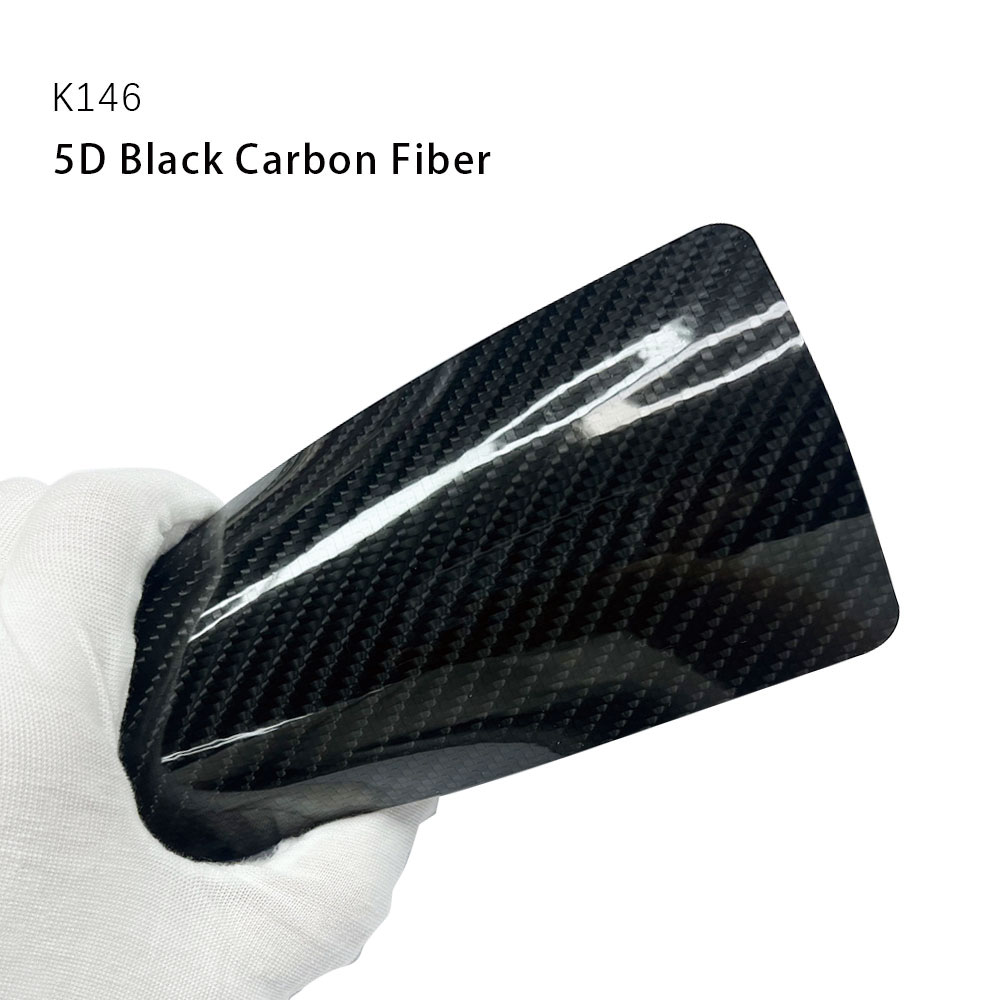
Skepticism around "fake carbon" remains common among luxury car owners. Earlier generations of printed vinyl earned a poor reputation. They looked flat, synthetic, and cheap. Modern manufacturing solves this problem entirely. Premium manufacturers weave textured, metallic-infused layers between transparent TPU sheets. This multi-layer extrusion mimics genuine light refraction. As you walk around the vehicle, the 3D optical depth shifts. It accurately replicates both high-gloss wet carbon and satin dry carbon finishes. The result satisfies even the most discerning purists.
High-speed driving introduces unique hazards. Sport and high-performance cars feature exceptionally low ground clearance. This aerodynamic design acts as a vacuum for road debris. We must quantify this risk realistically. A tiny piece of gravel striking a front splitter at 120 mph carries immense kinetic energy. Unprotected paint simply shatters under this localized force. The specialized polyurethane layer absorbs this energy immediately. It disperses the impact across the film surface, saving the underlying clear coat.
Online forums frequently debate the necessity of these films. Many critics label high-end paint protection as a waste of money due to the steep upfront cost. We must confront this skepticism objectively. Consider the financial math of a luxury vehicle repair:
Factory Paint Correction: Repainting a damaged hood on a modern supercar easily exceeds $5,000. Matching metallic flakes and specialized factory clear coats is notoriously difficult.
OEM Component Replacement: Replacing a severely pitted factory carbon fiber splitter or hood can cost tens of thousands of dollars.
Film Installation Cost: A custom installation on a hood or roof typically ranges from $700 to $1,500.
The upfront investment directly prevents catastrophic repair bills down the road. Furthermore, the film heavily protects resale value. High-net-worth buyers prioritize pristine, original factory paint. They utilize digital paint depth meters to detect aftermarket resprays. Finding non-factory paint immediately devalues a luxury asset. Protective styling modifications remain 100% reversible. You can safely peel the film away prior to a sale or auction. The buyer receives a flawless factory surface.
Navigating the aftermarket modification industry requires clear definitions. Owners frequently confuse transparent films, color wraps, and textured protective films. Each product serves a completely different consumer demographic. Understanding these distinctions prevents costly buyer remorse.
Standard clear films offer excellent protection but zero aesthetic change. They cater perfectly to purists. If you love your factory paint color and simply want invisible defense, this remains the logical choice. The material utilizes the exact same TPU chassis, focusing purely on transparency.
Standard car wrap film relies on thin PVC vinyl. It provides infinite color choices, from matte pastels to chrome finishes. However, it tears easily under impact. It cannot prevent paint gouging from sharp rock chips. It functions solely as a temporary cosmetic overlay. We never recommend it for high-speed track use.
Textured protective film represents the definitive bottom-of-funnel choice. It targets owners wanting OEM-style composite accents and heavy-duty impact defense. You gain the aggressive appearance of a track-focused vehicle while retaining industrial-grade armor. The chart below summarizes these critical distinctions.
Film Category | Core Material | Primary Function | Visual Alteration | Impact Defense |
|---|---|---|---|---|
Clear Protection Film | TPU | Invisible Defense | None (Transparent) | Excellent |
Vinyl Color Wrap | PVC | Cosmetic Change | Infinite Options | Poor |
Textured Composite Film | TPU | Dual Function | 3D Woven Aesthetic | Excellent |
Choosing the right material only solves half the equation. The application process dictates the final outcome. Textured films introduce unique installation risks entirely absent in transparent films. The most prominent hazard remains pattern distortion. Installers routinely stretch polyurethane to fit complex bumper curves. However, because this specific film features a distinct visual weave, technicians cannot overstretch it. Pulling the material too hard bends the internal lines. Straight weaves suddenly become wavy. This immediately ruins the optical illusion, making the modification look remarkably cheap.
Edge wrapping requires exceptional skill. Standard transparent films often stop just short of the panel edge. Thicker styling films must wrap completely around the panel to look authentic. The increased thickness of genuine paint protection film fights this process. The material naturally wants to spring back flat. Installers must employ precise edge-wrapping techniques. They use specific heat thresholds and tension management protocols. Failing to relieve surface tension causes long-term peeling or lifting at the corners.
Post-installation curing demands patience from the owner. We must set transparent expectations. Technicians apply these films using specialized wet slip solutions. Moisture naturally remains trapped beneath the surface immediately after installation. Bubbling and moisture evaporation periods are completely normal. The car should sit in a temperature-controlled environment. Depending on humidity, achieving a flawless, dry cure takes anywhere from two to four weeks. Prematurely pressing on surface bubbles ruins the adhesive backing.
Selecting the correct shop requires a methodical vetting process. High-performance vehicle owners cannot afford trial and error. First, conduct a strict material evaluation. Advise shop managers that you expect full material transparency. Verify they strictly use TPU-based carbon PPF. Many low-end shops substitute inferior TPH or PVC materials to inflate their profit margins. Request the specification sheet. Check the manufacturer warranty length. Premium aliphatic TPU films typically carry a 7 to 10-year warranty against yellowing and delamination.
Next, evaluate the installer's technical approach. You must ask specific procedural questions before handing over your keys.
Determine their cutting method: Do they use a plotter system featuring software pre-cuts, or do they bulk-install by custom cutting on the car? Pre-cut patterns minimize razor blade contact with your factory paint.
Review their portfolio details: Do not just look at wide-angle photos on social media. Ask to see high-resolution close-ups. Check the edge work. Verify the pattern alignment on complex curves like side mirrors and aggressive aero splitters.
Inspect their facility: A professional shop requires a dust-free, climate-controlled environment with specialized lighting bays.
Conclude your vetting process with an in-person consultation. Never book an expensive installation over the phone. Visit the facility. Ask the technician to provide a physical sample of the exact material. Take the sample outside into natural sunlight. Inspect the gloss levels, evaluate the weave depth, and test the self-healing properties with a brass wire brush. This tangible verification guarantees you receive the premium aesthetic you desire.
Applying high-grade composite-styled protection film transcends simple aesthetic modification. It functions as a robust insurance policy for high-performance vehicle paint. By merging the visual appeal of aerospace composites with the durability of elastomeric polymers, owners no longer have to compromise.
Functional Insurance: The thick polyurethane chassis actively absorbs kinetic energy, preventing costly structural paint damage from high-speed debris.
Preserved Equity: Keeping the original factory clear coat pristine ensures maximum resale value for luxury assets.
Installer Importance: The visual authenticity heavily relies on finding a certified technician who understands tension management and weave alignment.
Justified ROI: For drivers who regularly enjoy track days or spirited highway driving, the upfront investment heavily outweighs the exorbitant costs of factory resprays.
Take the necessary time to vet local certified installers. Request physical material samples, review their warranty terms, and inspect their edge-wrapping techniques. Securing the right shop ensures your vehicle looks aggressive on the track while remaining meticulously preserved underneath.
A: The thickness is generally similar across premium protective tiers. Both typically range from 7.5 to 10 mils. However, this is significantly thicker and vastly more durable than standard cosmetic vinyl wraps, which usually measure only 2 to 3 mils.
A: Yes. In fact, installers highly recommend it. A quality ceramic coating enhances the film's hydrophobicity and boosts UV resistance. You must ensure the chosen ceramic product is specifically formulated for flexible polyurethane films to prevent premature cracking.
A: Quality TPU-based protective films last between 7 and 10 years before requiring replacement. Standard PVC vinyl wraps typically fail, fade, or crack within 3 to 5 years. This assumes proper washing techniques and regular garage storage.
A: No. If applied over healthy, factory OEM paint and removed professionally utilizing appropriate heat and steam techniques, the film peels away cleanly. It leaves the factory clear coat completely intact and free of sticky residue.