

How Clear PPF compares to ceramic coatings for car protection
How Clear PPF compares to ceramic coatings for car protection
If you want the best way to keep your car safe, a Clear PPF factory offers great solutions for stopping dents and providing self-healing properties. Ceramic coating helps your car fight off chemicals and makes it look shiny.
You can see the main differences in the table below:
| Feature | PPF (Paint Protection Film) | Ceramic Coating |
|---|---|---|
| Type | Physical barrier | Chemical bond |
| Thickness | 6 to 10 mils | Thin liquid polymer |
| Protection against | Impacts, scratches | Chemical stains, UV |
| Self-healing | Yes | No |
| Hydrophobic | Limited | Yes |
You should think about what is most important to you. Do you want your car to resist dents, look shiny, be easy to clean, cost less, or last longer? Picking Clear PPF from a reputable factory or ceramic coating depends on what you need for your car.
What Is Clear PPF?
Clear PPF Factory and Material
When you pick a clear ppf factory, you want good technology and strong quality checks. The factory makes paint protection film with special materials. These materials help keep your car safe.
There are two main types: TPU and TPH. Each one helps protect your car's paint in different ways.
| Material | Characteristics |
|---|---|
| TPU (Thermoplastic Polyurethane) | It is flexible and strong. It stops scratches, chips, and stains. It can fix small scratches by itself. People like it for long-term use, especially on expensive cars. |
| TPH (Thermoplastic Polyolefin) | It costs less and gives basic protection. It helps with scratches and dirt. But it is not as flexible or clear as TPU. It does not heal itself. It is best for short-term or starter protection. |
A clear ppf factory often says TPU is best for high-quality ppf. This film lasts longer and keeps your car looking new. TPH is okay for basic needs but is not as good as TPU.
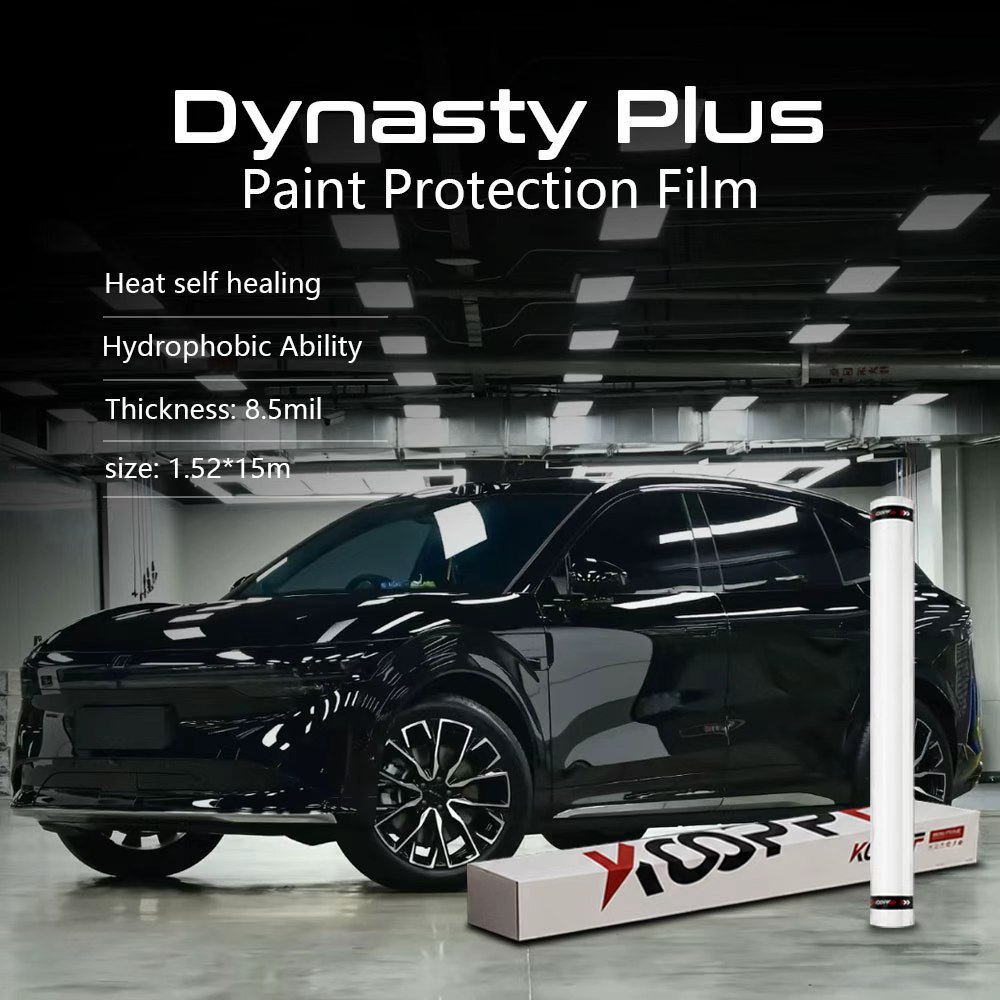
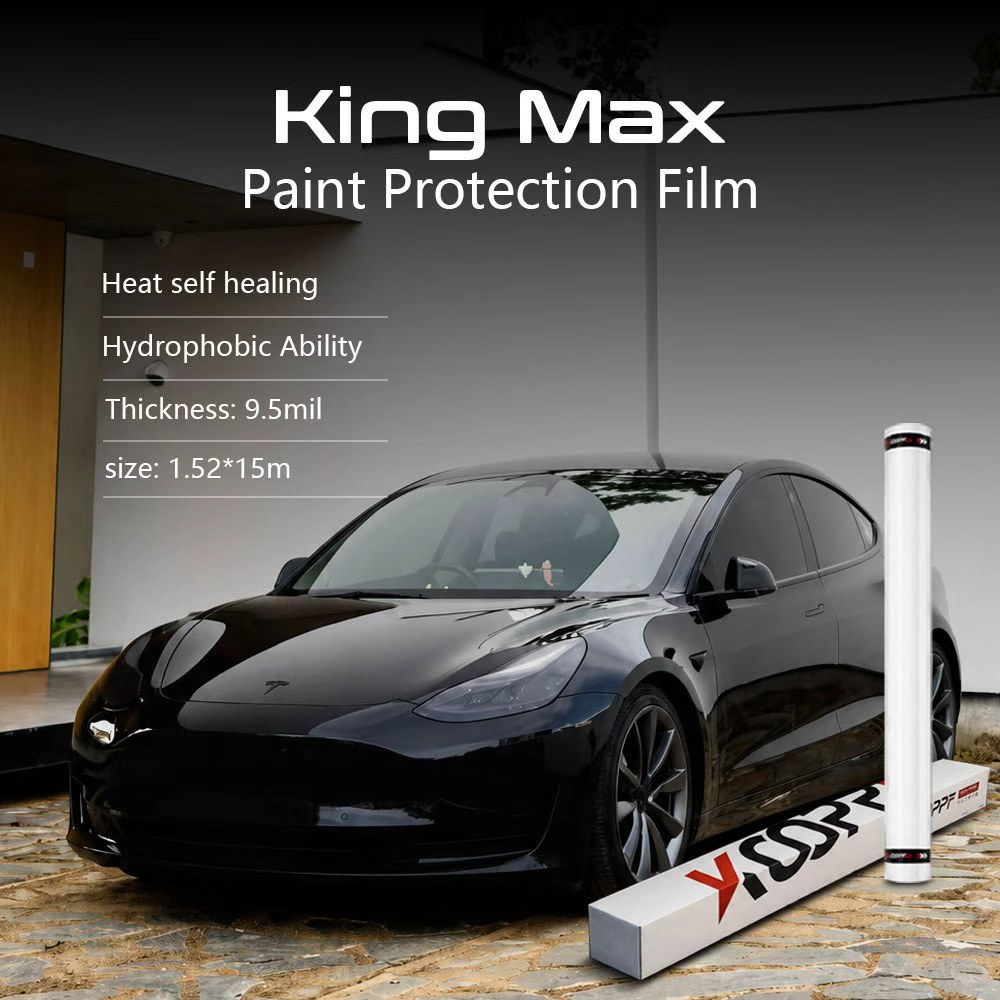
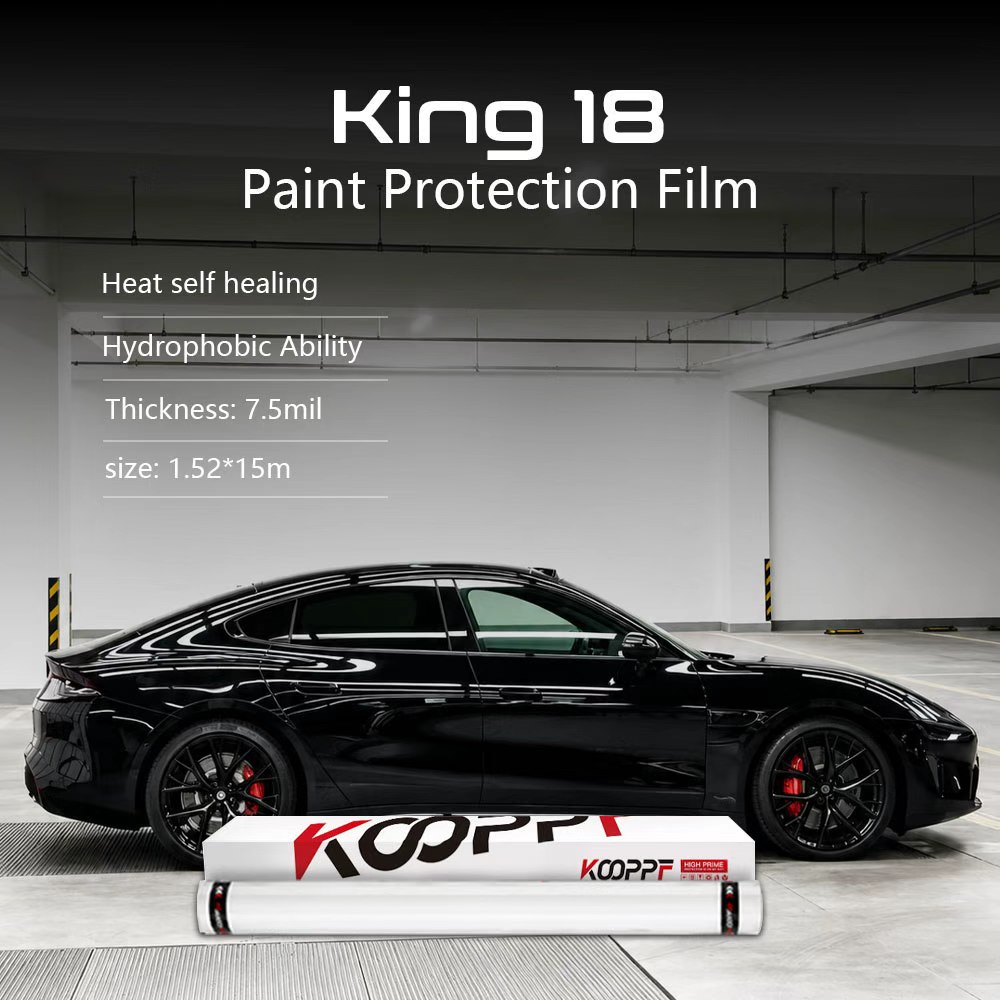
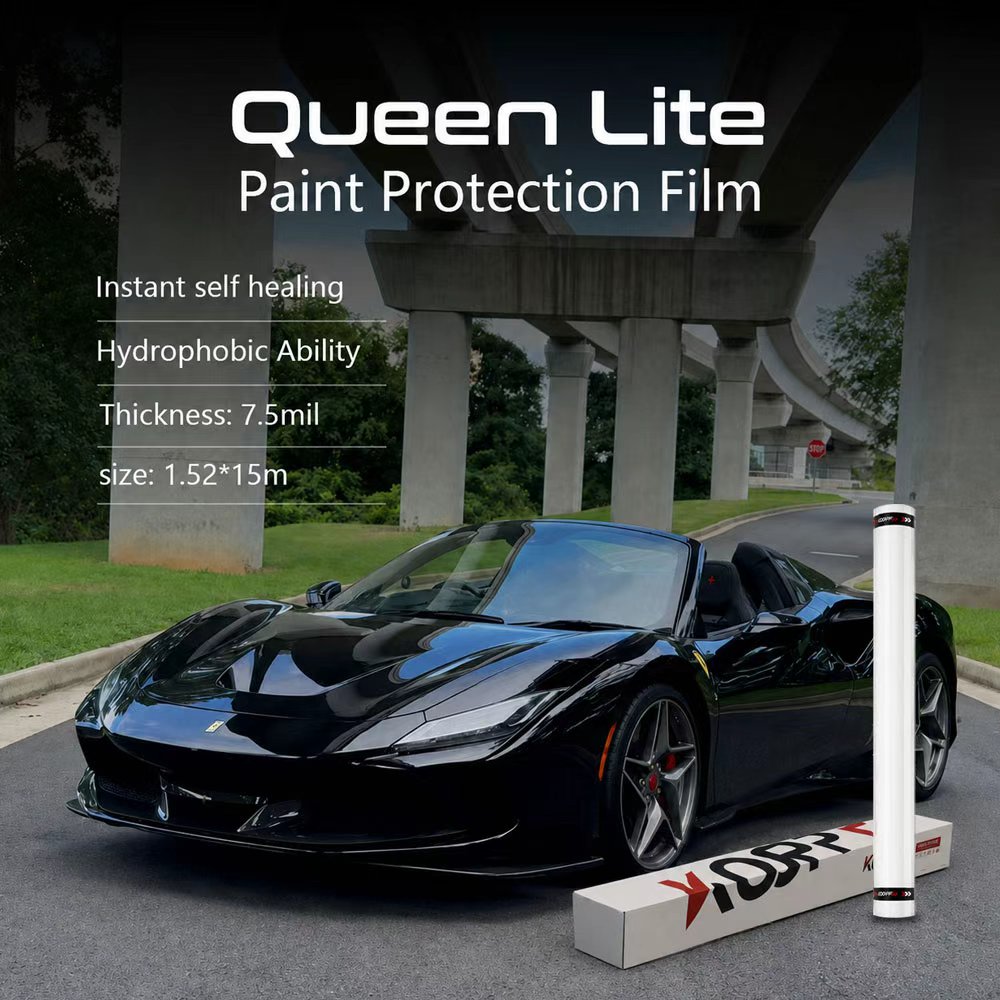
A professional clear PPF factory like KOOPPF uses premium TPU for superior durability, self-healing, and anti-yellowing. Unlike TPH, KOOPPF's TPU features fifth-generation coating technology, USA-imported TPU, and Ashland adhesive for lasting quality.

How PPF Protects Vehicles
Paint protection film works like a shield for your car. You put ppf on the paint. It makes a thin, clear layer. This layer takes hits and can fix small scratches. It spreads out the force from rocks and road junk. The paint under the film stays safe.

Tip: If you drive every day, ppf helps protect your car from rocks and scratches. Paint protection film stops small scratches and chips. Ppf can heal itself with heat, so your car looks great.
You get strong protection from a clear ppf factory if you pick good ppf. Ppf helps protect both fancy and regular cars. Paint protection film helps your car keep its value and look nice.
What Is Ceramic Coating?
Chemical Barrier for Vehicle Protection
Ceramic coating acts like a strong shield for your car. You put the coating on your car's paint. It sticks to the paint and makes a tough layer. This layer stops water, dirt, and chemicals. Water forms drops and rolls off, taking dirt with it. Your car stays cleaner and safer from stains.
The coating blocks harmful sunlight. UV resistance keeps your paint from fading or looking dull. You avoid damage from bird droppings, tree sap, bug acids, and minerals. The coating stops these things from sticking to your car. You also get a barrier against rust.
Moisture, salt, and chemicals cannot reach the metal under the paint. Light scratches and marks from washing are harder to see.
| Property | Description |
|---|---|
| Hydrophobic | Water forms drops and rolls off, taking dirt with it. |
| UV Resistant | Stops sunlight that makes paint fade or look dull. |
| Chemical Resistant | Stops bird droppings, tree sap, bug acids, and minerals from sticking to paint. |
| Corrosion Barrier | Stops moisture, salt, and chemicals from touching the metal under the paint. |
| Scratch Resistant | Makes light scratches and marks from washing less visible. |
| Enhanced Gloss | Makes paint shine more and look wet and colorful. |
Tip: Ceramic coating helps protect your car from daily dangers.
Gloss and Cleaning Benefits
Ceramic coating makes your car look shiny and new. The coating gives your car a smooth finish. Dirt and messes do not stick easily. You can clean your car with little effort. Your paint looks brighter and shinier. Water forms drops and slides off, so you get fewer water spots. Cleaning is easier. You do not need strong cleaners or hard scrubbing. The coating keeps your car looking fresh and bright. You spend less time washing and more time enjoying your car. Ceramic coating gives you both protection and beauty. Your car stays safe and looks great on the road.
Difference Between PPF and Ceramic Coating
PPF vs Ceramic Coating: Protection Types
When you look at ppf and ceramic coating, you see they protect cars in different ways. Paint protection film acts like a shield. It takes hits from rocks and scratches. Ceramic coating makes a chemical layer. This layer keeps away stains, sun rays, and water spots. You should pick the one that fits your needs best. Here is a table that shows how each protects your car:
| Feature | Paint Protection Film (PPF) | Ceramic Coating |
|---|---|---|
| Protection Type | Physical protection against scratches and impacts | Chemical protection enhancing gloss and water repellency |
| Resistance to Stone Chips | Superior resistance to impact damage | Limited resistance to physical damage |
| Self-Healing | Yes, minor scratches can heal with heat | No self-healing properties |
| Additional Benefits | Stronger physical protection | Enhances appearance and ease of cleaning |
Paint protection film is best if you want to stop chips and scratches. Ceramic coating is better if you want your car to shine and be easy to clean. Both help protect your car, but in their own ways.
Application and Thickness
How you put on ppf and ceramic coating changes how they work. Paint protection film comes in big sheets or rolls. You or a pro puts it on the car. The film is thick, about 150 to 200 microns. This makes a strong shield. It helps stop damage from rocks and road junk. Ceramic coating is a liquid. You spread it on the paint. It sticks to the paint in a thin, clear layer. This layer gives chemical protection and makes the car shiny. It does not stop rocks or hard hits. But it keeps away stains, sun rays, and water spots. PPF covers the whole car for strong physical protection. Ceramic coating covers the car but protects against chemicals and weather. Paint protection film is thicker and you might see the edges. Ceramic coating is smooth and you cannot see it. Paint protection film is better at stopping impacts. Good ppf spreads out the force from rocks and chips. Many companies test their film to make sure it works well. Ceramic coating does not stop impacts. It helps your car stay clean and shiny. Water and dirt roll off the surface. Self-healing is another big difference. Paint protection film can fix small scratches with heat. This keeps your car looking nice. Ceramic coating cannot heal scratches. It only hides small marks and swirl lines.
Note: If you want the best protection from both hits and stains, you can use both ppf and ceramic coating on your car.
PPF vs Ceramic Coating: Protection Features
Impact and Scratch Resistance
PPF and ceramic coating protect cars in different ways. Paint protection film is a strong shield for your car. It takes hits from rocks and road junk. The film covers places like the hood and bumpers. It is thick, so scratches do not reach the paint. Ceramic coating is a thin layer on your car. It stops light scratches and swirl marks. It works better than wax or sealants. But it cannot stop rock chips or big scratches. Ceramic coating does not protect against hard impacts. Here is a table that shows how well each works:
| Coating Type | Effectiveness in Scratch Resistance | Limitations |
|---|---|---|
| 9H Ceramic Coating | Stops light scratches and swirl marks better than paint, wax, or sealants. | Cannot stop rock chips, key scratches, or big damage. |
| Opti-Shield | Makes a tough, flexible film that takes small hits and stops scratches. | Made to be stronger than coatings but not as strong as PPF. |
Paint protection film is best for stopping scratches and impacts. It keeps your car safe and looking good for a long time.
Chemical and UV Protection
Think about chemical and UV protection when picking PPF or ceramic coating. Paint protection film blocks UV rays and keeps paint from fading. It also stops physical damage. But PPF does not block chemicals well. Bird droppings and tree sap can stain the film if not cleaned fast. Ceramic coating is great at stopping chemicals. It makes a barrier that keeps out stains and acids. Water and dirt slide off easily. Ceramic coating has UV blockers that keep paint bright and shiny. Here is a table comparing chemical and UV protection:
| Protection Type | PPF | Ceramic Coating |
|---|---|---|
| Chemical Damage | No | Yes |
| UV Protection | Yes | Yes |
| Physical Damage | Yes | No |
Paint protection film stops UV rays. Ceramic coating has UV blockers that keep paint safe. Ceramic coating gives strong, long-lasting protection from sun and chemicals. Your car stays safe and looks good.
Self-Healing and Durability
Paint protection film can heal itself. The top layer uses special polymers. If your car gets light scratches, heat makes the film fix itself. The scratches go away and your car looks new. You can test this by scratching the film and adding heat. The scratches disappear, showing self-healing power. Ceramic coating cannot heal scratches. It stops swirl marks and keeps your car shiny. But it cannot fix scratches. You must reapply the coating if you want it to work again. Paint protection film lasts longer and heals itself. It gives years of strong protection. Ceramic coating keeps water and chemicals away but does not heal or stop big impacts. Choose KOOPPF for self-healing, impact resistance, and anti-yellowing – backed by a 10-year warranty. Ceramic coating only repels water and chemicals but can't stop stone chips or scratches. KOOPPF delivers complete, lasting protection your car deserves.

Durability and Maintenance
PPF Lifespan and Care
Paint protection film gives your car strong and long-lasting coverage. Good ppf often has warranties for 5 to 10 years. Sometimes, it can last more than ten years if you take care of it. How long ppf lasts depends on the film quality, how well it is put on, and how you care for your car. To help ppf last longer on your car, you should: Wash your car every week or two with gentle soap. Use soft sponges and microfiber cloths so you do not scratch the film. Put wax on your car to add extra protection. You can use ceramic coating over ppf to make it stronger and more water-resistant. Use cleaners made for ppf to keep the film healthy. Wash your car every week if you drive in tough places. Pick car shampoo that is pH-neutral so the film does not break down. Clean your car from the top down for best results. How you clean your car and where you drive affects how long ppf lasts. Using the right cleaning tools helps your car stay protected for many years.
Ceramic Coating Lifespan and Care
Ceramic coating makes a chemical shield on your car. It helps protect your car and keeps it covered. With good care, ceramic coating can last for years. How long it lasts depends on the coating quality and how you care for your car. Here is a simple table about ceramic coating care:
| Maintenance Action | Frequency | Purpose | Benefit |
|---|---|---|---|
| Wash with pH-neutral shampoo | Every week or two | Remove dirt and stop it from sticking | Keeps water beading and shine |
| Use ceramic booster | Every 3-6 months | Recharge the coating layer | Brings back shine and water beading |
| Get a pro inspection | Once a year | Expert checks and fixes | Makes the coating last longer |
Wash your car often with pH-neutral shampoo to keep the coating working. Use ceramic boosters every few months to keep your car shiny. Have a pro check your car once a year to make sure the coating stays strong.
Cost Comparison for Vehicle Protection
Installation Costs
When you protect your car, cost matters a lot. PPF costs more than ceramic coating. You pay extra because PPF is thick and covers more. It also needs skilled people to put it on. The price changes if your car is bigger or the film is better. Ceramic coating costs less for most cars. You pay for the coating and the work, but it is easier to do. Here is a simple comparison:
| Protection Type | Estimated Cost Range |
|---|---|
| Ceramic Coating | $600 to $2,000 |
| PPF | $1,500 to $5,000 |
PPF costs more at first, but it protects your car better. Ceramic coating is cheaper and easier to put on.
Long-Term Value
You want your car to stay valuable and safe. PPF helps your car keep its value by stopping scratches and chips. People like cars with PPF because they look cared for. You do not need expensive repaint jobs, which can cost $500 to $3,000. PPF slows down how fast your car loses value and lowers repair costs. Here is a table showing how PPF helps:
| Aspect | With PPF | Without PPF |
|---|---|---|
| Resale Value | 7% to 12% higher | Lower resale value |
| Maintenance Costs | Less repairs needed | More repairs needed |
| Depreciation Rate | Slower loss of value | Faster loss of value |
Ceramic coating also helps your car's value. You spend less time and money cleaning your car. The coating keeps paint looking fresh, so you get a better resale price. It protects against weather and makes cleaning easier. Here is a table showing ceramic coating benefits:
| Benefit | Impact on Vehicle Value and Maintenance Costs |
|---|---|
| Less Detailing Needed | Saves money over time. |
| Higher Resale Value | Keeps paint nice, so you sell for more. |
| Protection Against Damage | Stops weather damage and costly repairs. |
| Easier Cleaning | Makes washing faster and simpler. |
Pros and Cons of PPF and Ceramic Coating
PPF Pros and Cons
Paint protection film gives your car strong protection. It makes a thick shield that stops rocks and scratches. Road debris cannot hurt your paint. PPF can fix small scratches with heat. Your car stays looking new for a long time. You can use paint protection film on parts that get hit a lot or cover the whole car.
Pros of PPF: Stops chips, scratches, and small dents very well. Can heal itself after light damage. Lasts a long time, sometimes up to 10 years. Keeps the original paint safe, so your car keeps its value. Works well with ceramic coating for extra help.
Cons of PPF: Costs more at first than other choices. Needs a pro to put it on for best results. You might see the film edges if you look closely. Low-quality film or bad care can make PPF turn yellow or peel. Does not protect against chemicals as much as ceramic coating.
Tip: Pick paint protection film if you want the strongest shield for your car's paint and drive in rough places.
Ceramic Coating Pros and Cons
Ceramic coating protects your car in a different way. It makes a chemical barrier that stops water, dirt, and stains. Your car gets a shiny look that stands out. Cleaning is easier because water and dirt slide off. Many people like ceramic coating because it lasts long and needs little care.
Pros of Ceramic Coating: Protects well against things like dirt and stains. Makes your car look shiny and bright. Water slides off, so cleaning is easy and not needed often. Lasts for years, so you do not need to wax often. Stops chemical stains and marks. Helps your car keep a higher resale value.
Cons of Ceramic Coating: Costs more than regular waxing at first. Needs an expert to apply for the best shine. Does not stop deep scratches or rock chips like paint protection film. Needs careful cleaning before you put it on.
| Option | Best For | Main Limitation |
|---|---|---|
| PPF | Stopping impacts and scratches | Costs more, edges can show |
| Ceramic Coating | Shine and easy cleaning | Does not stop impacts |
Note: You can use both paint protection film and ceramic coating together. This gives your car the best protection and shine.
Combining PPF and Ceramic Coating
Enhanced Vehicle Protection
Using both ppf and ceramic coating gives your car strong protection. Ppf works like a shield. It stops rocks, scratches, and road debris. Ceramic coating adds a smooth layer on top. This layer fights off chemicals and makes your car shiny. Together, they protect your car from many dangers. You get both physical and chemical safety. Experts say using both is the best way to protect your car. The table below shows how this combo helps your car stay safe:
| Feature / Benefit | PPF | Ceramic Coating | PPF + Ceramic |
|---|---|---|---|
| Rock Chip & Scratch Protection | Yes | No | Maximum defense (Yes + film heals, coating protects film) |
| UV & Oxidation Protection | Yes | Yes | Dual-layer defense |
| Chemical Resistance | Strong | Excellent | Enhanced protection |
| Hydrophobic Properties | Moderate | Excellent | Ultimate slickness |
| Gloss & Appearance | Maintains | Enhances | Showroom finish |
| Ease of Cleaning | Easier | Very easy | Simplest care |
| Coverage Strategy | Impact zones | All surfaces | Full vehicle |
| Warranty | Yes | Yes | Layered coverage |
| Best For | High-debris | Easy cleaning | Ultimate system |
Tip: If you want your car to look great and stay safe, use both ppf and ceramic coating.
Considerations and Drawbacks
Think about some problems before you use both ppf and ceramic coating: If you put ceramic coating on first, ppf may not stick well. If you do not apply ppf or ceramic coating correctly, your car will not be as safe. Bad sticking can make ppf peel off early. This means your car loses protection sooner. Always ask a pro to install ppf and ceramic coating. This helps your car get the best protection and keeps it looking nice for a long time.
Best Choice for Different Owners
Daily Drivers
You drive your car every day. You face rain, dust, and sunlight. You want your vehicle to stay clean and shiny. Ceramic coating gives you strong protection against environmental factors. It makes your car easier to wash and keeps the paint looking fresh. You do not need to worry about water spots or stains. Ceramic coating lasts for years and reduces wear and tear. However, ppf vs ceramic coating shows that ppf offers better scratch resistance. If you park in busy areas or drive on rough roads, you may want to add ppf to high-impact zones. Ceramic coating protects against UV rays, chemicals, and dirt. Ppf stops scratches and chips from daily hazards. You can combine both for maximum protection.
Tip: Choose ceramic coating for easy maintenance. Add ppf if you want extra defense for your car's paint.
Show Cars and Enthusiasts
You own a show car or you love detailing your vehicle. You want your car to look flawless at all times. Detailing experts recommend ppf as the top choice for protection. Ppf vs ceramic coating shows that ppf creates a nearly invisible shield. It guards your car against road debris, UV damage, and other threats. High-quality ppf lasts between 5 to 10 years. It keeps your vehicle's paint perfect and maintains its value. Ppf protects paint from scratches, chips, and fading. Ppf remains almost invisible, so your car looks stunning. Ceramic coating can enhance gloss and make cleaning easier.
Note: For show cars, use ppf for strong protection. Apply ceramic coating on top for extra shine.
High-Use and Off-Road Vehicles
You drive your vehicle in tough conditions. You face mud, gravel, and harsh weather. Ppf vs ceramic coating shows that ppf gives the best physical protection. Ppf shields your car from rocks, scratches, and heavy impacts. Ceramic coating adds a layer that repels water and dirt. You spend less time cleaning your vehicle. Combining ppf and ceramic coating gives you the strongest defense.
| Owner Type | Recommended Protection Solution | Main Benefit |
|---|---|---|
| Daily Driver | Ceramic coating + ppf (impact zones) | Easy cleaning, scratch resistance |
| Show Car/Enthusiast | Full ppf + ceramic coating | Flawless finish, long-term protection |
| High-Use/Off-Road | Full ppf + ceramic coating | Maximum durability, easy maintenance |
Tip: For high-use vehicles, cover all exposed surfaces with ppf. Add ceramic coating for easier cleaning and extra protection.
You want your car to stay safe. Look at the main differences below:
| Protection Type | Durability (Years) | Key Features |
|---|---|---|
| PPF | 7 to 10 | Physical shield, self-healing |
| Ceramic Coating | 2 to 5 | High gloss, chemical resistance |
Pick PPF if you drive on rough roads. Choose ceramic coating if you want your car to shine and be easy to clean. If you want the best protection, use both together. Talk to an expert to find what works for your driving style.
FAQ
Can you apply ceramic coating over PPF?
Yes, you can apply ceramic coating over PPF. This combination gives your car both physical and chemical protection. You get easier cleaning and a glossy finish. Always ask a professional for proper installation.
How long does PPF last compared to ceramic coating?
PPF usually lasts 7 to 10 years. Ceramic coating lasts 2 to 5 years. You get longer protection with PPF. Regular care helps both last longer.
Does PPF or ceramic coating prevent rock chips?
PPF protects your car from rock chips. Ceramic coating does not stop impacts. You should use PPF for areas that face road debris.
Is maintenance easier with ceramic coating?
Ceramic coating makes cleaning simple. Water and dirt slide off. You spend less time washing your car. PPF needs gentle cleaning but does not repel water as well.
Will PPF or ceramic coating affect my car's paint color?
Neither PPF nor ceramic coating changes your car's paint color. Both keep your paint looking fresh. PPF may add a slight gloss, and ceramic coating enhances shine.