



How PPF from a PPF factory Stands Up to Extreme Weather: A Distributor Guide
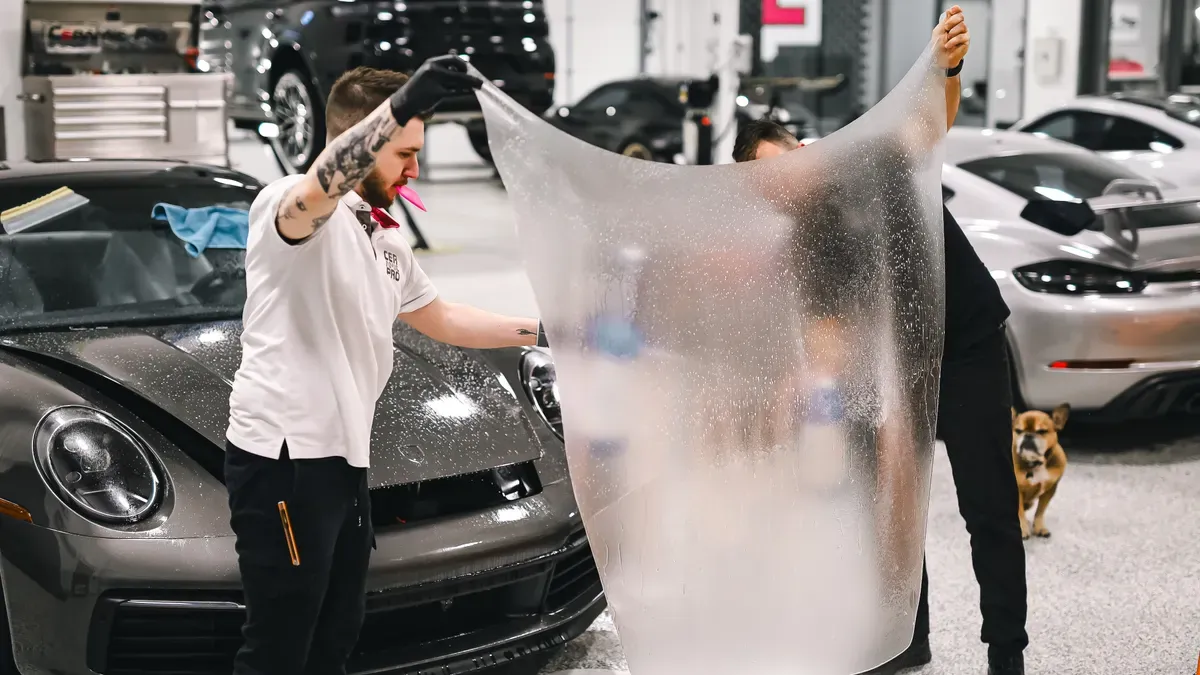
You need proof that paint protection film can handle extreme weather. PPF from a PPF factory uses high-tech materials and careful production. This complete guide to protection and durability shows how PPF gives lasting paint protection. You feel confident your car's paint is protected. The film stays strong, sticky, and good-looking even in harsh weather.
Key Takeaways
PPF from a PPF factory uses special materials like TPU and UV blockers to stand up to very hot, cold, and humid weather.
Install PPF right and maintain it, like washing with pH-neutral soap, to help it last in harsh weather.
Distributors gain from factory-grade PPF with consistent batches and strong warranties, lowering failures and raising customer satisfaction.
How PPF Factory Builds Weather-Resistant Paint Protection Film
Paint protection film breaks down in ways you can predict when makers cut corners. In cold places, low-grade film cracks because its base material loses flexibility. In very hot weather, cheap adhesive gets soft and the film peels off the paint. UV rays and high humidity make inferior film turn yellow. Road salt weakens adhesive bonds and causes edges to lift. A ppf factory that controls every production step stops these problems.
Premium TPU and Adhesives for Heat and Cold
The base film decides how ppf handles temperature changes. KOOFILM uses virgin aliphatic thermoplastic polyurethane, a premium ppf material with great thermal stability. This advanced tpu resists cracking in freezing conditions and keeps its structure in intense heat. The table below shows typical thermal performance for high-grade TPU base films.
Thermal Parameter | Value / Range |
|---|---|
Low-temperature flexibility limit | down to -40°C |
High-temperature softening (TMA) | 160–180°C |
Thermal cycling endurance | -40°C to +120°C, 1000+ cycles without cracking or delamination (ASTM D1790) |
KOOFILM runs a 50,798.6 m² facility with 13 production lines. The company controls TPU material development, film manufacturing, precision coating, and quality testing all in one place. This integrated model gives stable coating thickness and even adhesive distribution. Each batch passes spectroscopic analysis for purity level at or above 95 percent. That discipline removes property changes and supports long-term durability.
UV Inhibitors and Top Coats for Humidity and Salt
Sun exposure and salt air ruin unprotected film. Advanced uv inhibitors and stabilizers block radiation before it reaches the TPU layer. A protective top coat adds a second defense. This coating repels water, resists chemical contamination, and stops yellowing. KOOFILM formulates its own coatings, so the company tunes surface properties for regional climates. Distributors serving the Middle East, Southeast Asia, Southern Europe, and North America receive film built for strong sunlight and high humidity.
The factory applies uv absorbers and stabilizers during precision coating. Automated monitoring and online inspection cut down production variation. Five-stage quality control runs from incoming material to final inspection, with full roll traceability. KOOFILM holds RoHS, REACH, ISO 13485, and IATF 16949 certifications. These standards confirm that every roll of high-quality ppf meets consistent specifications. For you as a distributor, this means fewer weather-related failures and stronger paint protection for your customers.
PPF Performance in Extreme Heat, Cold, and Humidity
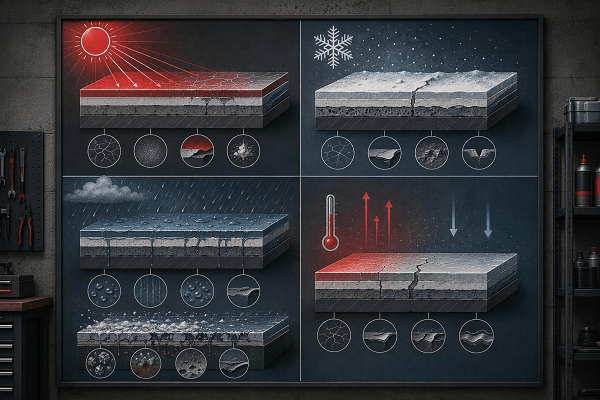
You need to know how ppf holds up in extreme heat, cold, and humidity before you stock any product. The performance of ppf in extreme heat depends on stable materials and smart engineering. The durability of ppf in cold climates relies on flexible tpu that will not crack. The impact of high humidity on ppf involves adhesive strength and edge sealing. Each factor matters for paint protection film performance in the field.
Performance of PPF in Extreme Heat and Intense Sun
Strong sun puts every layer of a paint protection film to the test. KOOFILM Clear PPF uses heat self-healing technology. Small scratches fade away when sunlight or warm water brings heat. This self-healing feature keeps the film looking new after daily use. The hydrophobic coating pushes away water and stains. A uv-resistant protective top coat stops yellowing and fading. These features back a 7 to 10 year warranty for long-term confidence.
Independent weathering tests prove this durability. QUV accelerated weathering per ASTM G154 for 3,000 hours shows color change below ΔE 2. This means the color shift is too small for the human eye to notice. Xenon arc weathering per ASTM G155 for 2,000 hours shows no cracking, chalking, or delamination. Salt spray testing per ASTM B117 also shows no cracking or delamination. These results prove that high-quality ppf survives extreme conditions.
Weathering and yellowing tests using UV, xenon arc, or QUV accelerated weathering show low yellowing index change and strong gloss retention.
How KOOFILM PPF Defends Against Salt and Humidity
Coastal and winter markets put vehicles in contact with salt air and road salt brine. Saline moisture can cause edge lifting or corrosion when film is not sealed properly. A properly installed paint protection film seals these areas and blocks salt from touching paint. Comparative observations report as much as a 70% reduction in corrosion-related damage after winter exposure. This protection depends on care like regular washing with pH-neutral shampoo.
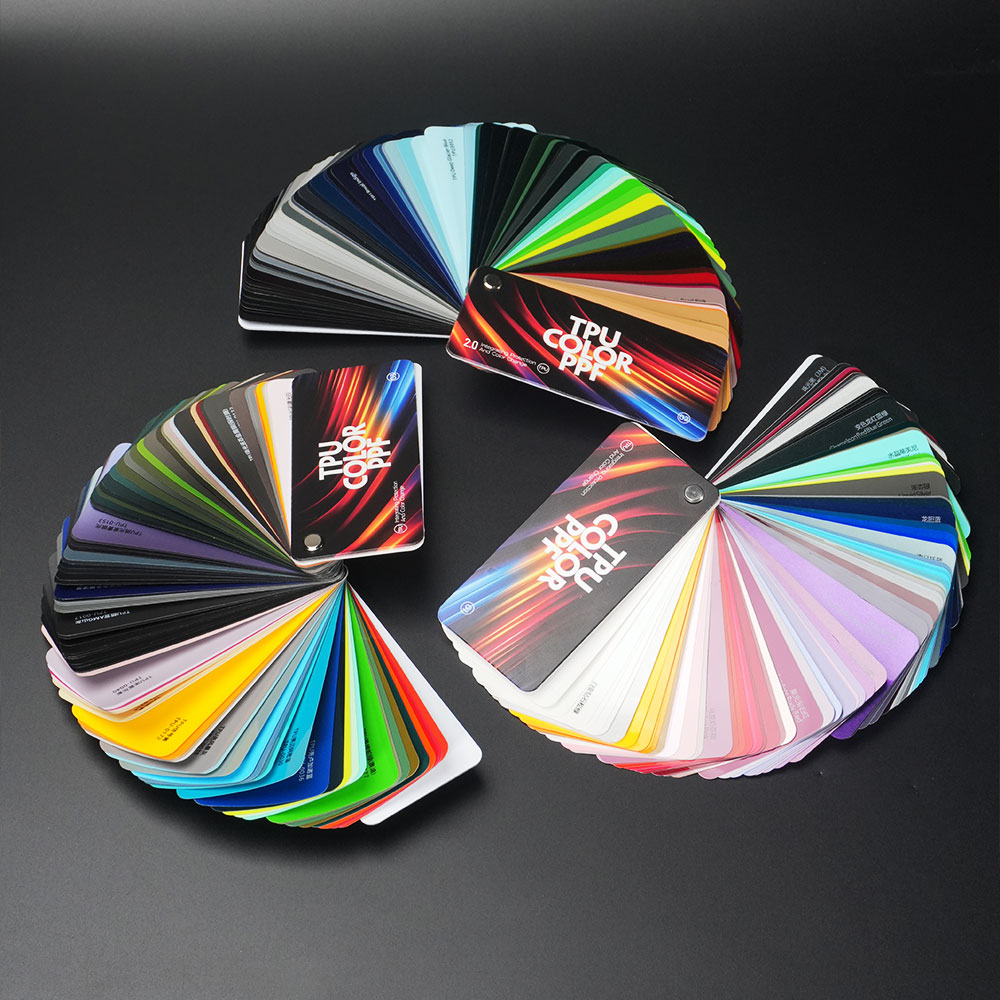
KOOFILM offers durable options for distributors targeting extreme-weather markets. KOOFILM Color PPF comes in over 200 colors with anti-yellowing properties. The Matte PPF Shadow Walker series provides a satin finish with hydrophobic surface and self-healing technology. Both products use premium tpu that resists uv damage and keeps color stable. For distributors, these options deliver extreme weather survival and lasting paint protection.
Installation and Maintenance for Weather Toughness
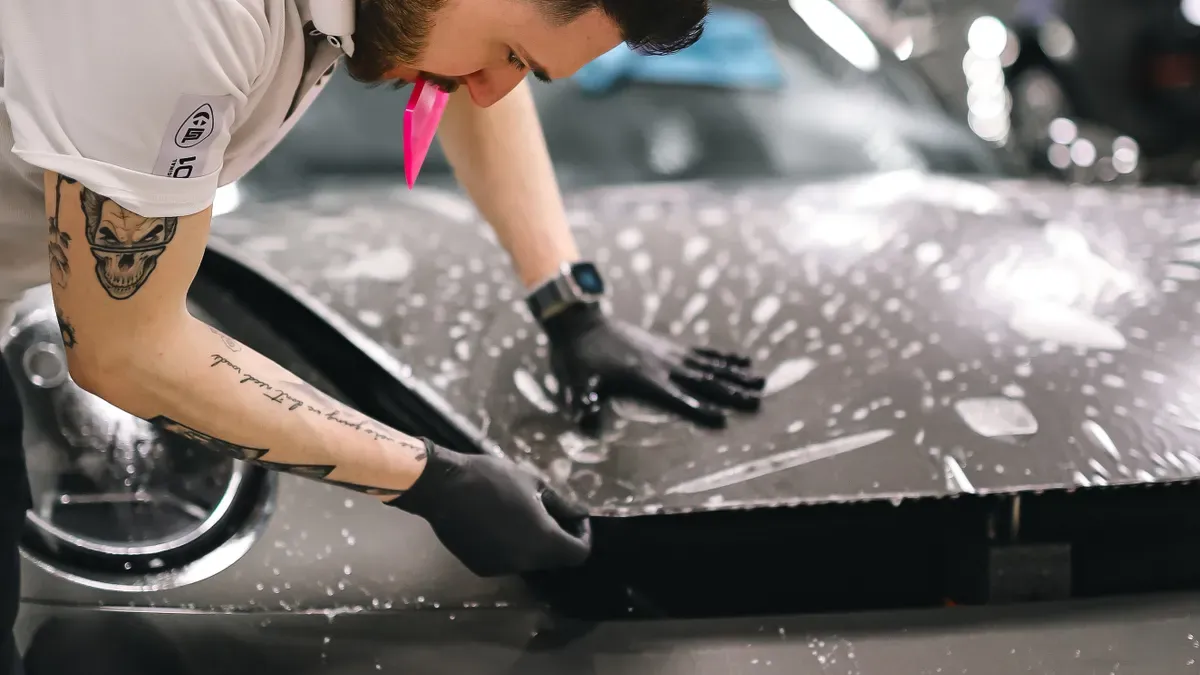
Climate-Specific PPF Installation Best Practices
Temperature and humidity control decide whether your ppf installation works. The best installation window is between 60°F and 80°F with 40% to 60% humidity. Above 90°F, adhesive cures too fast and makes bubbles. Below 32°F, adhesive hardens and may peel or crack.
Condition | Ambient Temperature | Humidity |
|---|---|---|
Ideal window | 60°F–80°F | 40%–60% |
Hot-climate limit | Above 90°F problematic | N/A |
Cold-climate limit | Below 32°F not recommended | N/A |
In cold places, warm the film gently before you install it. In hot climates, use controlled low-to-medium heat in short passes. Apply slip solution so the film floats and repositions easily. Set tack to edges only after the film relaxes and shapes properly. This stops lifted edges and adhesion failure.
Simple Maintenance Routines That Extend PPF Life
Regular care keeps the self-healing and hydrophobic properties of your paint protection film working. Wash every one to two weeks with pH-neutral soap between pH 6 and 8. Use a soft mitt and the two-bucket method. Keep pressure-washer nozzles at least 12 inches from edges.
Check the film after washing or long drives for cracking, peeling, or discoloration. Fix small issues before they grow. Apply ceramic coating atop the ppf for added uv defense. This barrier boosts gloss and extends film life. Park in shaded areas to reduce uv exposure and weather degradation. The tpu layer keeps its durability when you follow these routines. Activate self-healing for light scratches by parking in sunlight for 20 to 30 minutes. Avoid harsh chemicals, abrasive pads, and automatic brush washes. These practices protect the film in high humidity and intense sun.
If you have more questions about washing, maintaining, or caring for your PPF — especially in high-humidity or intense-sun conditions — KOOPPF is here to help.
Our technical team can advise you on the right cleaning products, maintenance schedules, and care routines for your specific film and climate. Whether you're a distributor supporting your installer network or a shop managing customer vehicles, we'll help you protect the film's performance and extend its service life.
Contact KOOPPF today for expert PPF care guidance, product support, or partnership inquiries.
Ask KOOPPF About PPF Care → info@kooppf.com | www.kooppf.comWhy Distributors Should Trust Factory-Grade PPF
Batch Consistency and Warranties Reduce Risk for Distributors
A PPF factory with size and careful work protects your business. KOOFILM has a 50,798.6 m² facility with 13 production lines. This steady supply helps you serve areas with high humidity or severe winters.
Metric | Value |
|---|---|
Total factory area | 50,798.6 m² |
Production lines | 13 |
Consistent batches separate dependable suppliers from risky ones. KOOFILM uses a spectrophotometer to check each batch against a master standard. The human eye cannot see small differences. Ask any supplier for their own Delta-E tolerance. A vague answer is a warning sign.
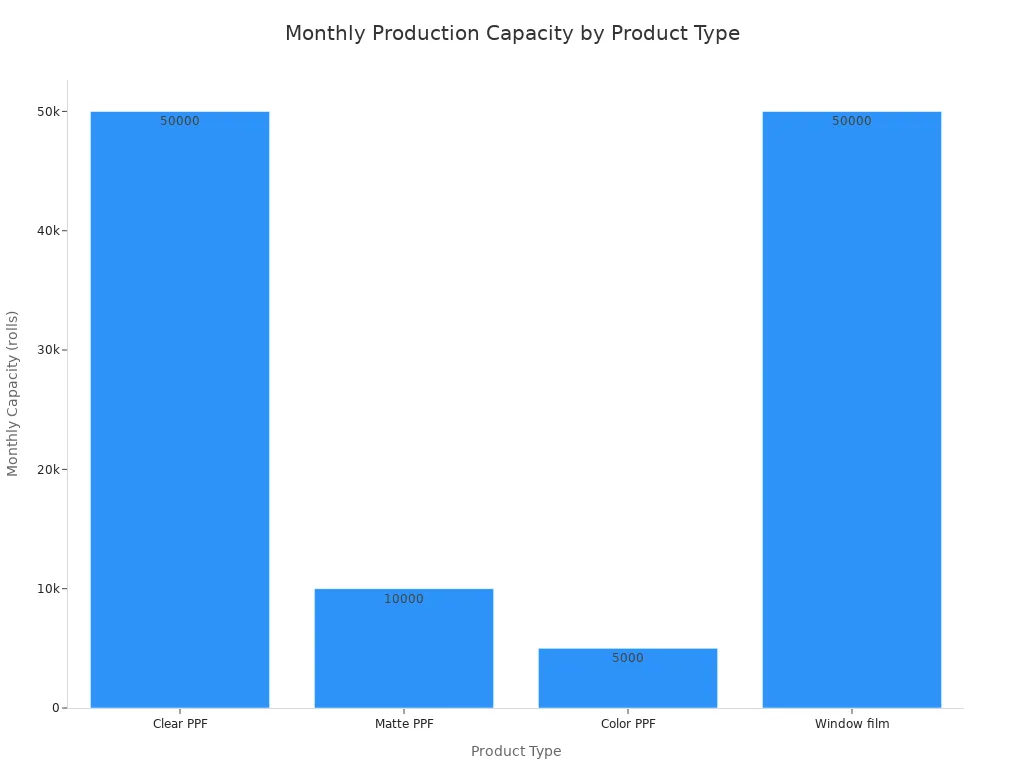
Warranties stand behind this consistency. Clear PPF comes with a 5–10 year warranty from installation. Matte PPF offers a 10-year warranty. Color PPF offers a 5-year warranty. Roll labels, production batches, carton marks, and order records link together for warranty review. You gain fewer failures and repeat business.
Customer Satisfaction from KOOFILM PPF in Extreme Climates
Your customers in harsh climates need paint protection that lasts. KOOFILM supports over 1,000 partners worldwide. It gives expert technical help and same-day after-sales support. A high-quality PPF stays durable through intense sun, salt air, and freezing cold. Fewer weather-related failures mean fewer complaints and greater trust.
The product lineup fits every market need. Clear PPF has self-healing and UV resistance. Color PPF has over 200 shades and resists yellowing. Matte PPF gives a satin finish and hydrophobic surface. Each product uses premium TPU that resists cracking and peeling. When you stock KOOFILM, you become a supplier of weather-tough paint protection film. Your customers stay happy, and your reorder rates go up.
A ppf factory builds film that survives extreme weather through advanced TPU, protective coatings, and controlled manufacturing. KOOFILM Clear PPF, Color PPF, and Matte PPF deliver this durability with batch consistency and strong warranty support. Stock KOOFILM PPF confidently. Position it as high-performance paint protection for customers in any climate.
FAQ
What temperature range is best for ppf installation?
Install when the temperature is between 60°F and 80°F and humidity is 40% to 60%. Stay away from very hot or very cold conditions. These conditions keep the adhesive steady and stop edges from lifting.
How does KOOFILM ppf resist yellowing in strong sun?
The factory adds UV inhibitors during precision coating. QUV accelerated weathering for 3,000 hours shows color change below ΔE 2. Your customers get lasting paint protection and no yellowing.
What warranty supports Clear PPF from KOOFILM?
Clear PPF comes with a 7 to 10 year warranty, based on the model. That long coverage gives your customers confidence in extreme climates and helps you earn repeat business.



