

How to Choose the Right PPF Thickness and Size for Your Vehicle Fleet
How to Choose the Right PPF Thickness and Size for Your Vehicle Fleet
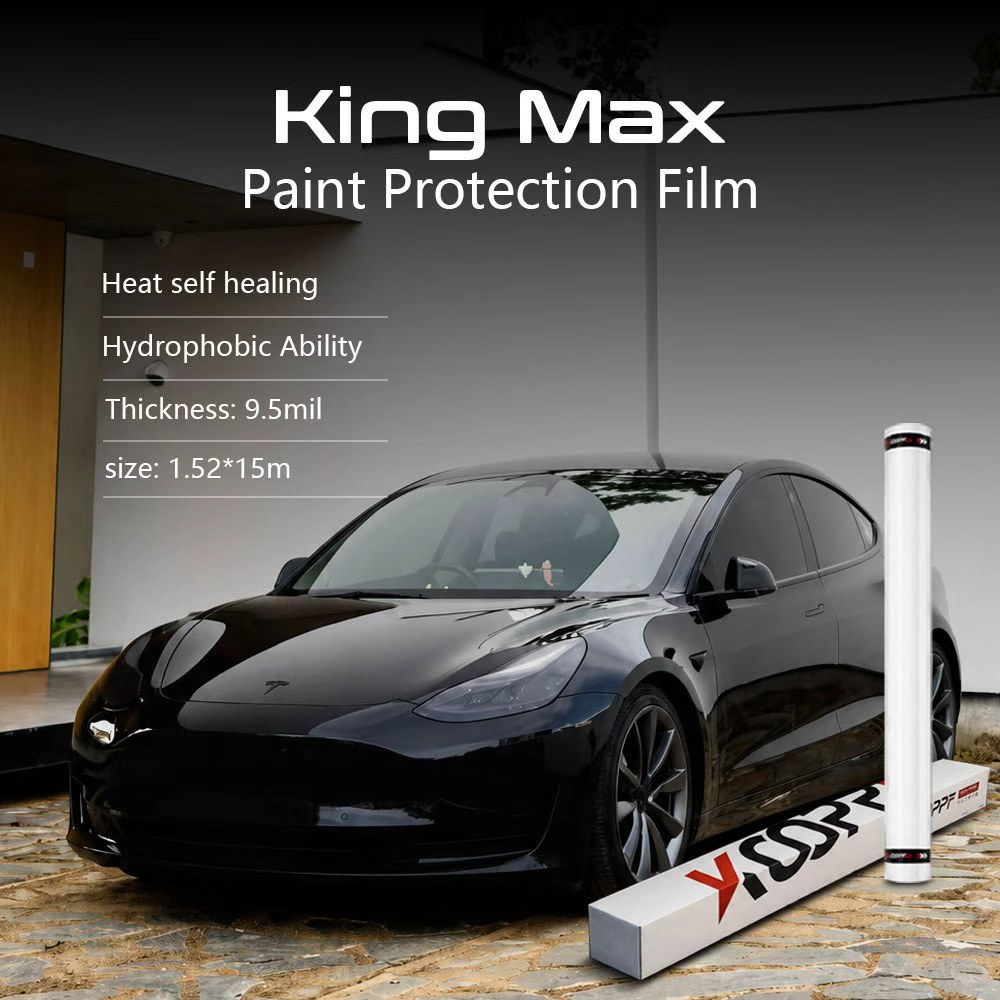
Balancing paint protection with cost is hard for every fleet manager. You pick the right PPF thickness and size based on how you use each vehicle, where it goes, and your budget. KOOFILM offers PPF from 7.5 to 9.5 mil for clear films, and 7.5 to 8.0 mil for matte and color ones. Repainting one vehicle costs $800 to $7,000, often more than installing protective film on the whole fleet. This car paint film stops damage across your vehicles, cutting long-term upkeep. We will look at film types, thickness matching, sizing, installation, and cost.
Key Takeaways
Choose TPU film for your fleet. It lasts 7-10 years and self-heals scratches. This saves money on repaints. Match film thickness to your driving routes. Use 8 mil for city roads. Use 10-12 mil for highways or off-road. Pick pre-cut kits for fleets with identical vehicles. Use bulk rolls for mixed fleets to cut waste and cost.
PPF Thickness and Film Types for Fleets
Types of PPF: TPU, Vinyl, and Hybrid
Choosing the right material matters more than any other decision for your fleet. Three main categories dominate the market: thermoplastic polyurethane (TPU), polyvinyl chloride (PVC) vinyl, and hybrid blends that mix both chemistries. Each delivers different protection levels, and your choice directly affects how long your car paint protective film lasts.
TPU stands apart from the others. This material contains elastic polymers that recover from minor scratches when exposed to heat. A heat gun or even direct sunlight triggers this self-healing response. TPU also resists UV radiation exceptionally well, preventing the yellowing and embrittlement that plague lesser films. Independent testing shows TPU maintains color stability with a ΔE below 3 after five years of exposure, well under the noticeable fading threshold of ΔE 5. Real-world lifespan in coastal or industrial climates reaches 8–11 years for well-maintained installations. Premium manufacturers back their TPU products with 10–12 year warranties.
PVC vinyl lacks these properties entirely. It offers no self-healing capability and typically survives only 1–2 years before cracking or fading. Hybrid films, often labeled TPH, sit between the two. They contain a small percentage of TPU but deliver minimal self-healing and last only 2–5 years. UV resistance for PVC measures 6–8 ΔE after just three years, with metallic and chameleon finishes degrading fastest.
| Film Type | Self-Healing | Durability (Lifespan) |
|---|---|---|
| TPU | Yes | 7–10 years |
| TPH (Hybrid) | Minimal | 2–5 years |
| PVC | No | 1–2 years |
For fleet operations, TPU provides the only sensible return on investment. Vinyl wraps suit short-term branding campaigns where protection matters less than cost. Your trucks face road debris, chemical spills, and harsh weather daily. An automotive paint protective film made from TPU absorbs those impacts while preserving factory paint underneath.
KOOFILM's PPF Thickness Guide for Fleet Conditions
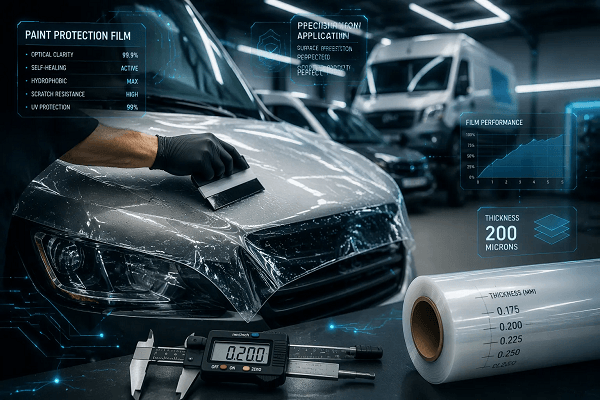
Once you select TPU, the next question involves ppf thickness. Film thickness determines impact resistance and longevity. Thicker films absorb more energy from stone chips and abrasion before damage reaches your paint
Industry data suggests 8 mil serves as the balanced choice for most city fleets. Urban driving involves frequent stops, tight parking, and moderate debris exposure. This thickness protects against door dings and light scratches without excessive material cost. KOOFILM's Clear PPF ranges from 7.5 to 9.5 mil, allowing you to match thickness precisely to your operating environment.
Harsh conditions demand heavier protection. Highway driving at sustained speeds throws larger debris against your vehicles. Off-road routes and construction zones create even greater risks. For these applications, 10–12 mil films provide maximum heavy-duty protection. The 10 mil option suits luxury cars and high-performance highway drivers. The 12 mil thickness targets semi-trucks, commercial vehicles, and off-road trucks facing heavy highway abuse.
| Thickness | Recommended Use Case |
|---|---|
| 8 Mil | City fleets, standard urban delivery routes |
| 10 Mil | Luxury vehicles, harsh conditions, high-performance highway driving |
| 12 Mil | Semi-trucks, commercial use, off-roading, heavy highway abuse |
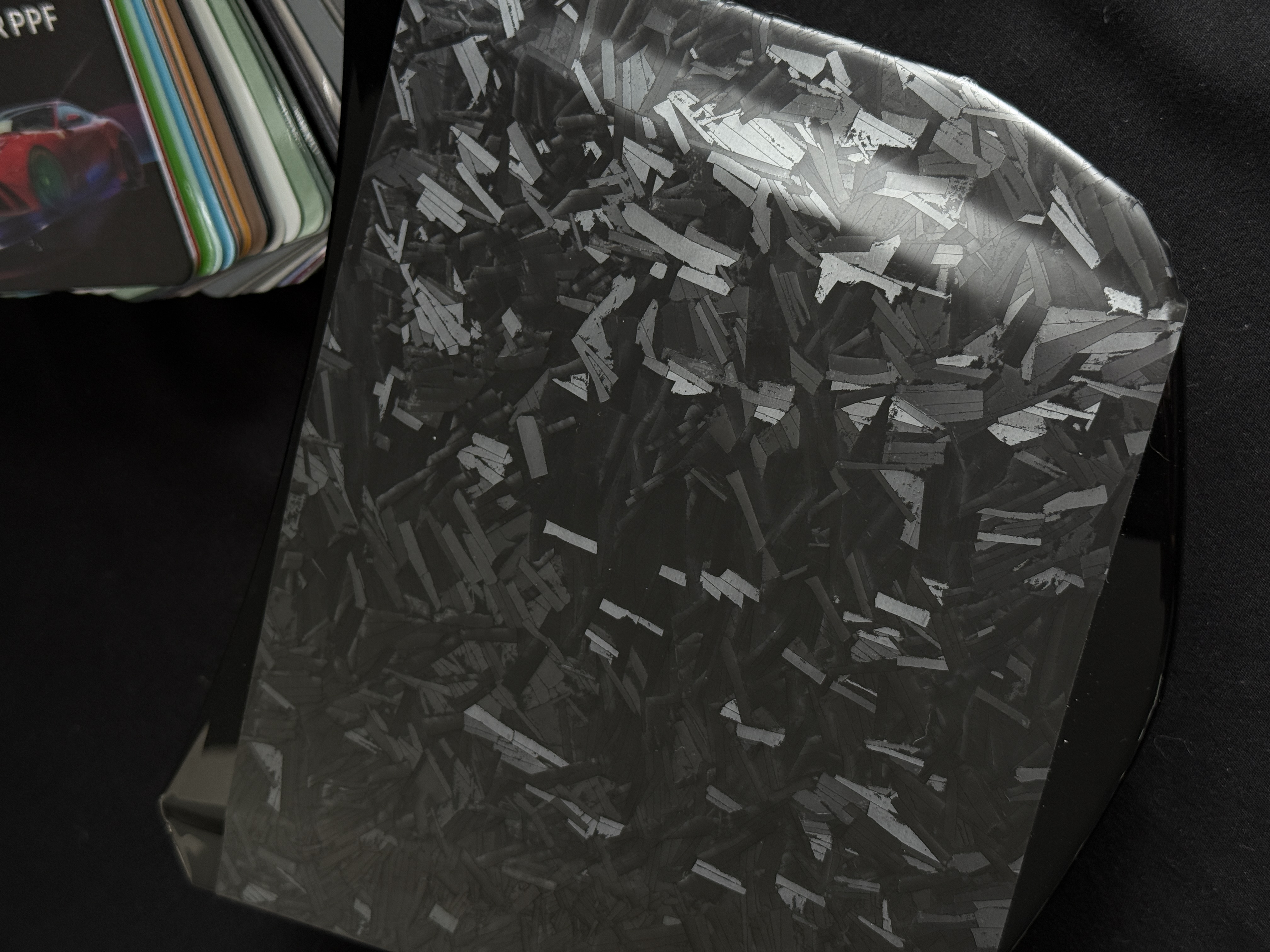
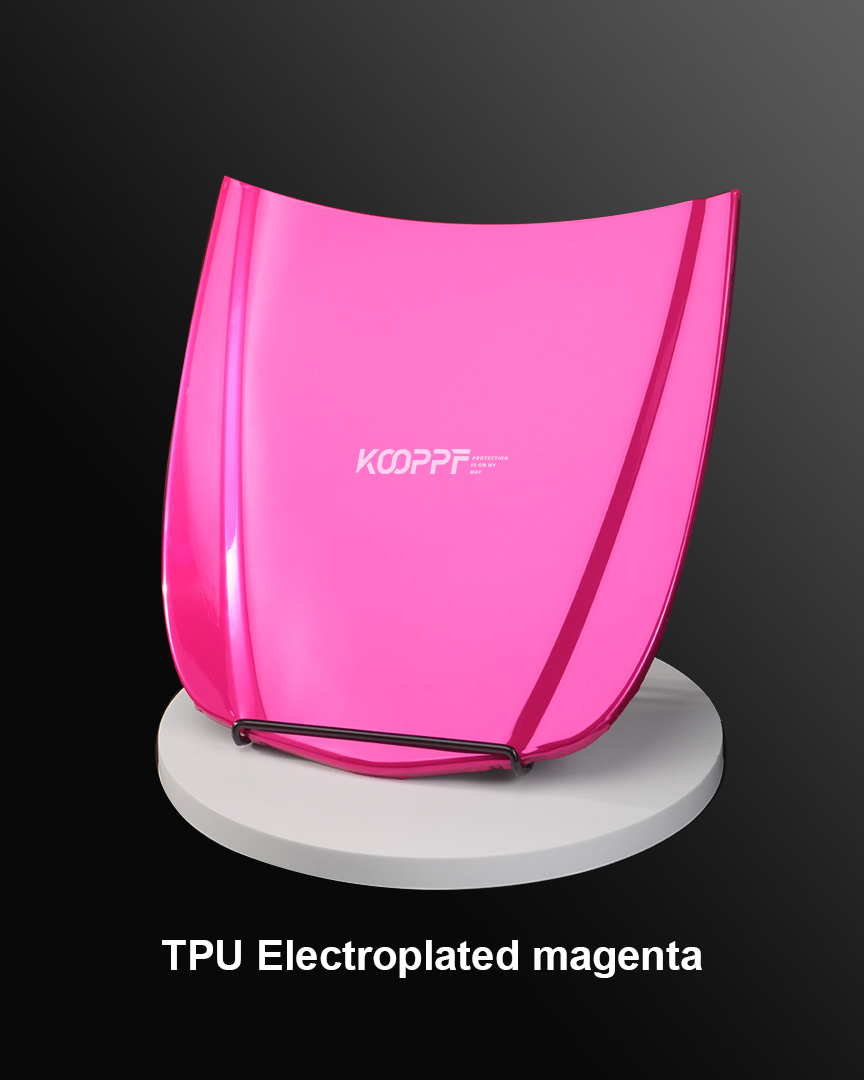
KOOFILM's product lineup aligns with these guidelines. Clear PPF spans 7.5–9.5 mil across models like Dynasty, King Max, and Queen 18. Matte PPF options measure 7.5–8.0 mil, suitable for fleets prioritizing aesthetics alongside protection. Color PPF also ranges 7.5–8.0 mil, giving you over 200 customization shades without sacrificing durability. These ppf options let you standardize protection across mixed fleets while tailoring thickness to each vehicle's exposure profile.
Your trucks operating on interstate routes need the heavier end of this spectrum. City delivery vans perform adequately with 8 mil films. Matching automotive paint protective film thickness to actual driving conditions prevents both under-protection and wasted expenditure. Remember that repainting one vehicle costs more than equipping your entire fleet with properly specified film.
PPF Sizing, Installation, and Cost for Fleets
Pre-Cut Kits vs. Bulk Rolls for Fleets
You have a main choice when ordering film for your fleet: pre-cut kits or bulk rolls.
Pre-cut kits come with pieces already cut for a specific car model. You unbox them, line them up, and install. This saves a lot of installation time. It also gets rid of waste because you only use what you need. For a fleet of the same vehicles, pre-cut kits are the best option. You skip measuring and cutting each part by hand. The trade-off is a higher material cost per vehicle compared to bulk rolls.
Bulk rolls give you more options. KOOFILM sells standard roll sizes: 1.52m × 15m for Clear and Matte PPF, and 1.83m × 15m for Matte-183. You can cut these rolls to any size you need. This works well for mixed fleets with different vehicle sizes and shapes. You might have sedans, SUVs, and trucks. With bulk rolls, you order one film type and cut it to fit each vehicle. This lowers your material cost per vehicle, but it creates more waste. You also need trained installers who can measure and cut correctly. For a fleet of 50 or more vehicles, bulk rolls often give better value. You pay less per square foot, but you spend more on labor and training.
Beyond the roll itself, KOOPPF provides comprehensive OEM/ODM support including custom packaging, private labeling, and marketing materials. With 1 roll MOQ and 7-15 days lead time,fleet operators gain flexibility to scale orders without overcommitting inventory. Technical support and installation guidance ensure your trained installers achieve maximum yield from every bulk roll.
Case in point: A European fleet operator managing 80 mixed vehicles switched to KOOPPF bulk rolls, reducing per-vehicle material cost by 22% while maintaining consistent gloss and self-healing performance across their entire fleet. With KOOPPF's factory-direct pricing and dedicated support, they eliminated middleman markups and streamlined their supply chain. KOOPPF's 98.5% customer satisfaction rate reflects the reliability that fleet managers depend on for long-term partnerships.
Professional Installation vs. DIY and Budgeting
Choosing between professional installation and DIY changes your first payment and long-term safety.
Professional installers charge $50 to $150 per hour. For one fleet vehicle, total installation cost ranges from $1,000 to $5,000 or more. This cost goes up for larger vehicles like trucks and SUVs because they need more film and work. Professional installers also give warranties that cover both material and work. These warranties last 5 to 10 years. If a bubble shows up or a corner lifts, the installer fixes it for free. This protects your money.
DIY installation costs much less at first. You pay $150 to $700 for the film itself. But DIY installation cancels the manufacturer warranty and any installer warranty. You take all the risk. If you make a mistake, you have to buy new film and start over. For a small fleet of one or two vehicles, DIY might work if you are experienced. For bigger fleets, the chance of errors and costs to redo outweigh the savings.
Professional installation also gives consistent quality across all vehicles. This matters for trucks that face tough conditions. A bad installation can peel or bubble, leaving paint open to damage.
Cost also depends on ppf thickness. Thicker films cost more per square foot, but they lower the need for repainting. A truck hit by stone chips might need a new hood or repaint costing $800 to $2,000. A thicker automotive paint protective film soaks up that impact. You avoid the repaint cost completely. Over a five-year fleet cycle, the thicker film pays for itself. Your car paint protective film investment gives years of protection with no extra costs.
The real cost of a film is not just the purchase price. It is the total cost of ownership including installation, maintenance, and possible repairs. Professional installation with the right thickness gives you the lowest long-term cost per mile.
For your fleet of trucks, this combination provides reliable protection against daily wear. Choose TPU films like KOOFILM's Clear, Matte, and Color PPF for fleet durability. Match ppf thickness to exposure: 8 mil for urban routes, 10+ mil for highway or off-road trucks. Pre-cut kits save time on standardized vehicles; bulk rolls offer flexibility. Professional installation protects your warranty.
Evaluate your vehicle mix, routes, and budget. Consider KOOFILM's ppf options for tailored protection. This automotive paint protective film minimizes future paint repairs. Every car paint protective film investment reduces downtime. Your trucks deserve this protection. Lower maintenance costs justify the initial expense.
FAQ
How do I find the right PPF thickness for different vehicles in my fleet?
Choose thickness based on how you drive. City vans work well with 8 mil film. Highway trucks need 10 mil or more. Look at each vehicle's use before you order.
Can I use the same PPF roll size for all my fleet vehicles?
No. Standard rolls are 1.52m by 15m. Big trucks may need the 1.83m by 15m option. Measure your vehicle parts first.
How does PPF thickness affect fleet maintenance costs?
Thicker films absorb more impact from stone chips and road debris, reducing the need for expensive repaints. Over a five-year cycle, the thicker film often pays for itself by preventing damage to the factory paint.
What is the difference between pre-cut kits and bulk rolls for fleet installations?
Pre-cut kits save installation time and reduce waste for fleets with identical vehicles. Bulk rolls offer lower material cost per vehicle and flexibility for mixed fleets, but require trained installers and generate more waste.
Why should fleet managers choose TPU over vinyl or hybrid films?
TPU offers self-healing, superior UV resistance, and a lifespan of 7–10 years. Vinyl lasts only 1–2 years and hybrid films 2–5 years. For fleet operations, TPU provides the only sensible return on investment.
Ready to protect your fleet with professional-grade installation?
Contact our installation team today for a customized fleet quote. Get expert service, long-term warranty coverage, and peace of mind on every vehicle.